
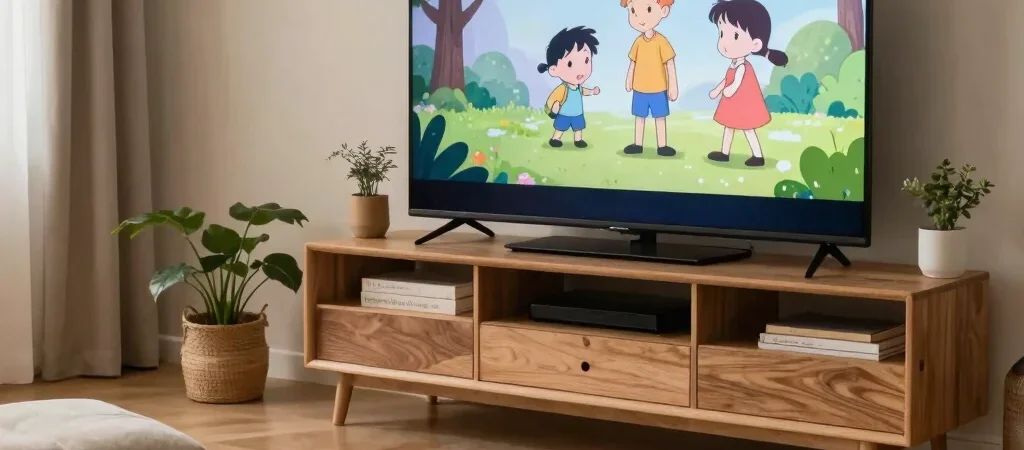
Television and digital media can be powerful educational channels when adjusted for sensory sensitivity. For students who experience sensory overload, bright flashing images or sudden sound shifts can create fatigue and distract from core lessons. Designing a thoughtful screen space transforms educational programming into a soothing, restorative experience.
Optimizing Display and Audio Controls
Adjusting screen settings is often the quickest way to create a comfortable viewing environment. Lowering overall display brightness and reducing harsh blue spectrum light helps prevent eye strain during structured video lessons. Maintaining steady, moderate audio volume levels with clear vocal tracks ensures dialogue remains intelligible without jarring sound spikes.
Structuring Calm Learning Spaces
Where and how a child watches educational TV matters just as much as what appears on the screen. Positioning comfortable seating away from direct glares and keeping fidget objects nearby encourages focused attention. Short, regular viewing blocks followed by quiet movement breaks allow students to process new knowledge smoothly.
Building Positive Video Routines
Consistency turns educational viewing into an eagerly anticipated part of the day. Pair broadcast or digital lessons with familiar pre-program routines to set a peaceful tone before screen time begins. With responsive adjustments, video platforms become powerful gateways for joyful, inclusive education.